Protect your chicken from heat stress!

Summer temperatures are once again prevailing in Germany. In some areas, temperatures over 30 degrees are expected. This is a challenge for both humans and animals: beware of heat stress! Unlike humans, temperature regulation is problematic for most animals, including poultry. When outside temperatures reach around 28 degrees, it becomes difficult for chickens to regulate their temperature, risking overheating or even heat death. Now, it is up to the owner to recognize the first signs and symptoms of heat stress and accordingly provide opportunities and means for cooling.

Effects of Heat on Poultry Well-being

Are your chickens experiencing heat stress? Chickens cannot sweat like humans and must try to release their body heat in other ways. They release heat through their tongue, mucous membranes, wings, and skin. When observing chickens in high temperatures, it is noticeable that they often spread their wings sideways. This allows the chickens to let extra air under their feathers to their skin and body, releasing heat through air circulation. However, this is a sign of heat stress.

When panting with a slightly open beak, chickens exhale warm air. Additional moisture evaporates through their breath, and the evaporative cooling effect cools them. This has an immediate positive impact on the chicken. This is also a sign of heat stress.

Danger from Extreme Heat

Temperatures in the run and coop above 25 degrees, along with high humidity, are a strain on the organism and immune system of hens, turkeys, broilers, and all other poultry species. Symptoms of heat stress include reduced laying performance (hens lay fewer eggs), decreased feed intake, and compromised health with diarrhea, stunted growth of chicks, or even increased mortality due to heatstroke in the group. It is important to consider some things to ensure quick treatment of heat stress and provide relief for the chickens.
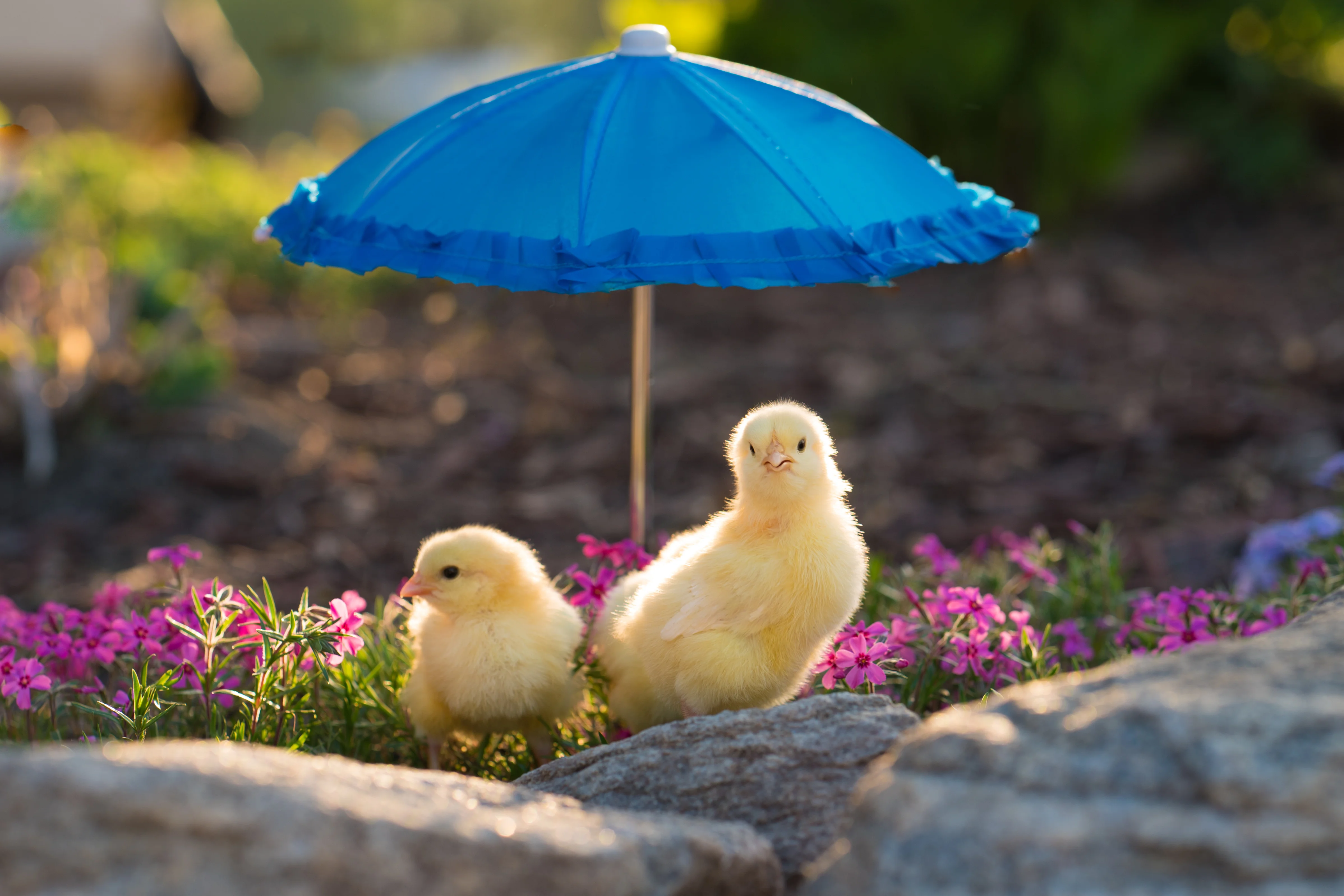
Image Alt

5 Tips for Poultry Keepers to Provide Relief

Create Shade

Trees, shrubs, and bushes not only provide welcome cooling for chickens, they also offer places to retreat. Fast-growing shrubs such as hazel, hornbeam, or lilac are hardy and provide welcome shade during heat stress. If there are no natural shade providers such as trees and bushes in the run, shade must be created: parasols, shade sails, etc. can help here—ideally set up over an area where the chickens like to dust-bathe. However, artificial shade is not quite comparable to shade from plants—the evaporation through the leaves has a positive effect on the chickens. The tree or bush actually cools the surrounding air instead of just blocking the sun. If you do not have natural shade providers for the animals, spray the sun protection with water from time to time. The evaporative cooling effect of water helps your animals against the heat and stress.

Poultry drink.

Water, Water, Water

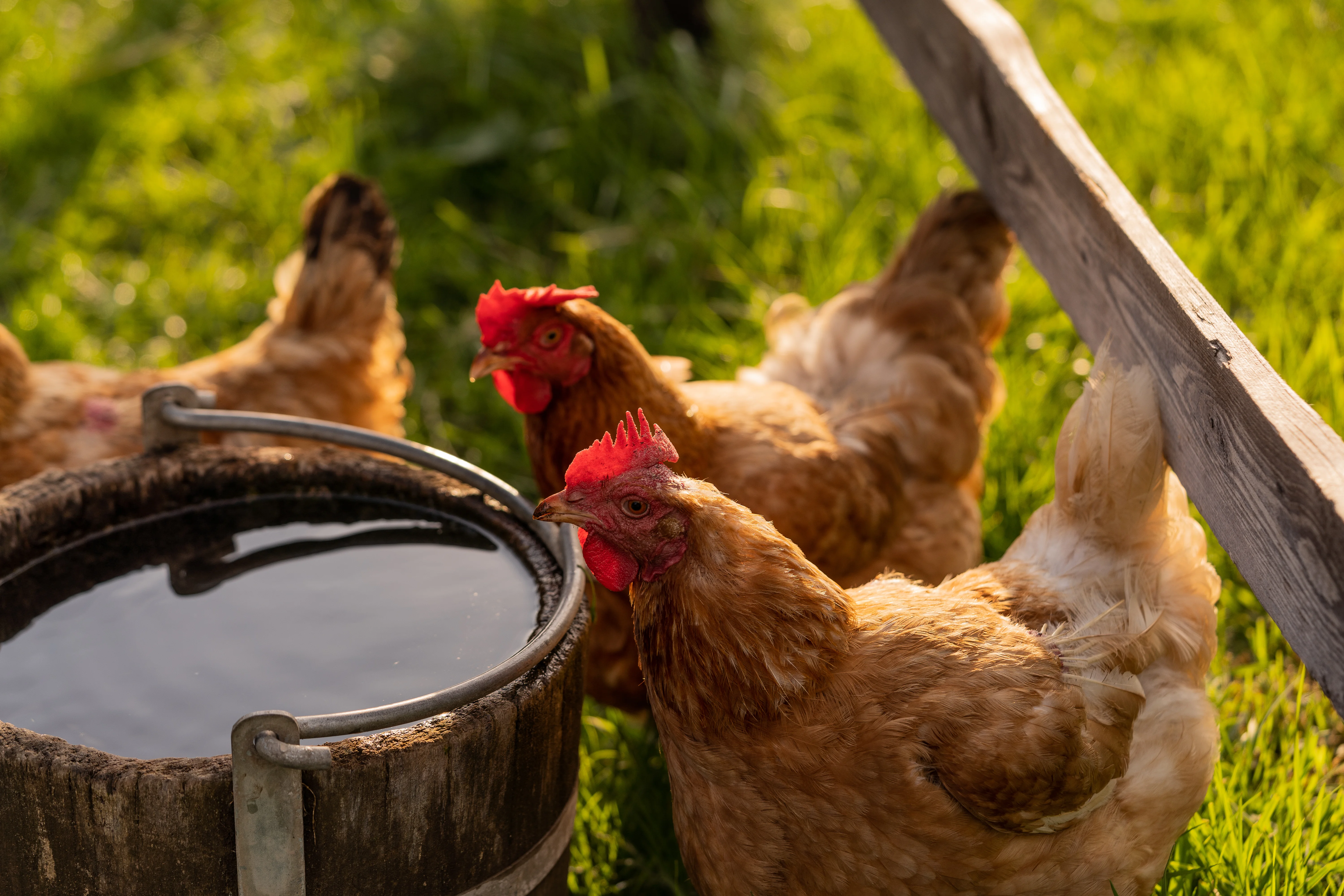
Chickens definitely need fresh water available to them every day. In extreme heat, fresh drinking water must be provided several times a day. Ideally, the water should be kept in the shade. If this isn’t possible, plastic bottles filled with frozen water placed in the drinker can help as cooling packs. Another option is to place a container of frozen water next to the drinker as a reserve supply. This way, the chickens can gradually drink the cold water as it thaws. In addition, you can also freeze a few berries, peas, or similar foods and feed them to the chickens.  This helps cool the animals from the inside, so to speak, and protects them from overheating. Avidress Plus by Röhnfried contains short-chain acids that lower the pH value of the drinking water. This reduces the risk of infection in chickens. It also contains minerals, trace elements, and herbal extracts. With this product, heat stress won’t affect the chicken as much.

poultry feed

Dust Bath

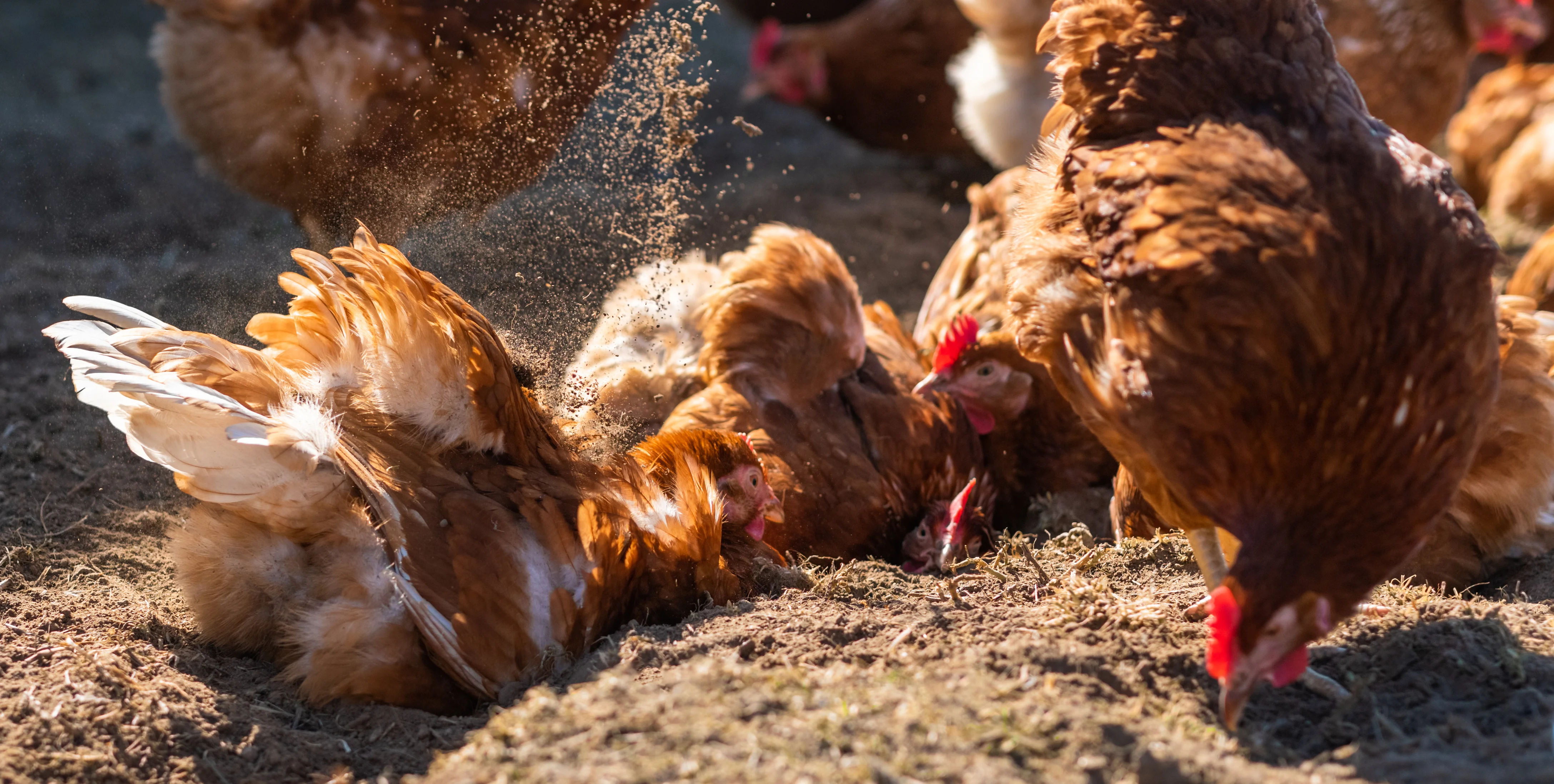
A dust bath in the ground is also an effective way for chickens to cool themselves and their bodies. They literally dig themselves into the cooler earth. It’s even more effective if the dust bath is in the shade and is additionally watered in the morning.

With an artificial dust bath where the chickens can’t dig, homemade cooling packs help again, just like for the drinking water. A simple idea for cooling slightly raised surfaces (pallets, stone pedestals) is to freeze water in springform pans and place them underneath. This noticeably lowers the temperature and helps prevent heat stress.

Keep the Coop Cool

A brick coop that is also in the shade would be perfect in the heat. But regardless of how the coop is built and positioned, it must be well ventilated. If the sun shines directly into the coop during the day, it makes sense to darken the windows. This will keep the temperature inside tolerable.

The choice of bedding in particular can make a contribution. Sand is perfect as bedding for the summer! Cooling packs made from plastic bottles can also help lower the air temperature in the coop a bit and protect the animals from overheating and stress.

Image Alt

Feeding Tips for Chicken Keeping

In addition to always providing fresh, clean drinking water, our poultry experts recommend supplementing with vitamins, such as vitamin C, via the drinker or the feed. You can also moisten the feed with a watering can to increase feed intake and enable extra cooling from the inside. This can help minimize heat stress.

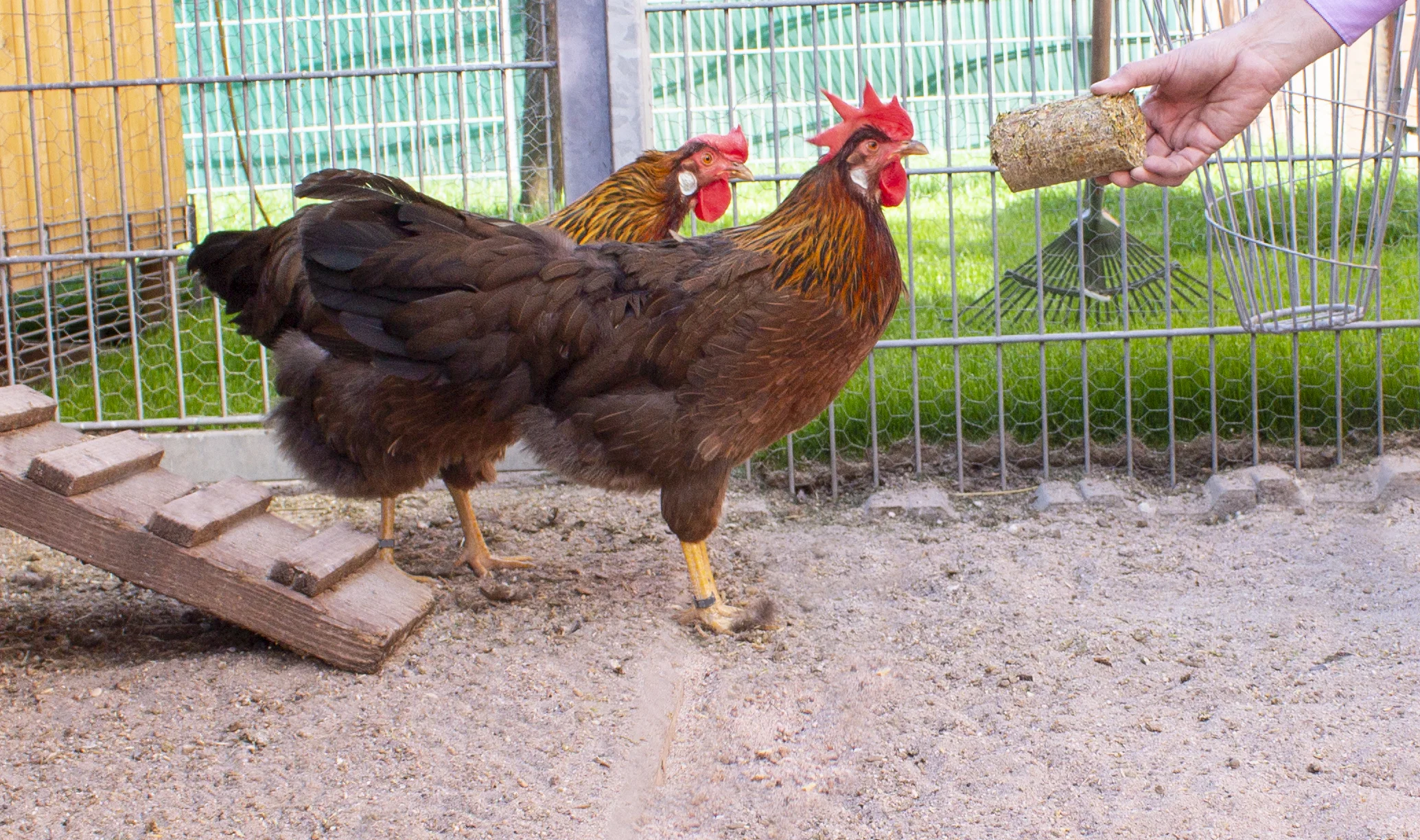
At this time of year, the animals need high-quality feed. For young hens and roosters, we therefore recommend Junghennen Premium and Junghähne Premium. With an appropriate content of energy, amino acids, and vitamins—such as vitamin C, which is important in hot weather. To ensure feed intake throughout the day, Mifuma also offers the Pick-Max. The large pellet not only supplies the animals with all the necessary nutrients, it also provides the chickens with an activity and can be offered free-choice all day long. By the way, you can also order the Pick-Max conveniently to your home from our online shop at www.mifuma-shop.de.

You can find a complete overview of our poultry feeds as well as further tips on keeping laying hens and broilers in our current program.