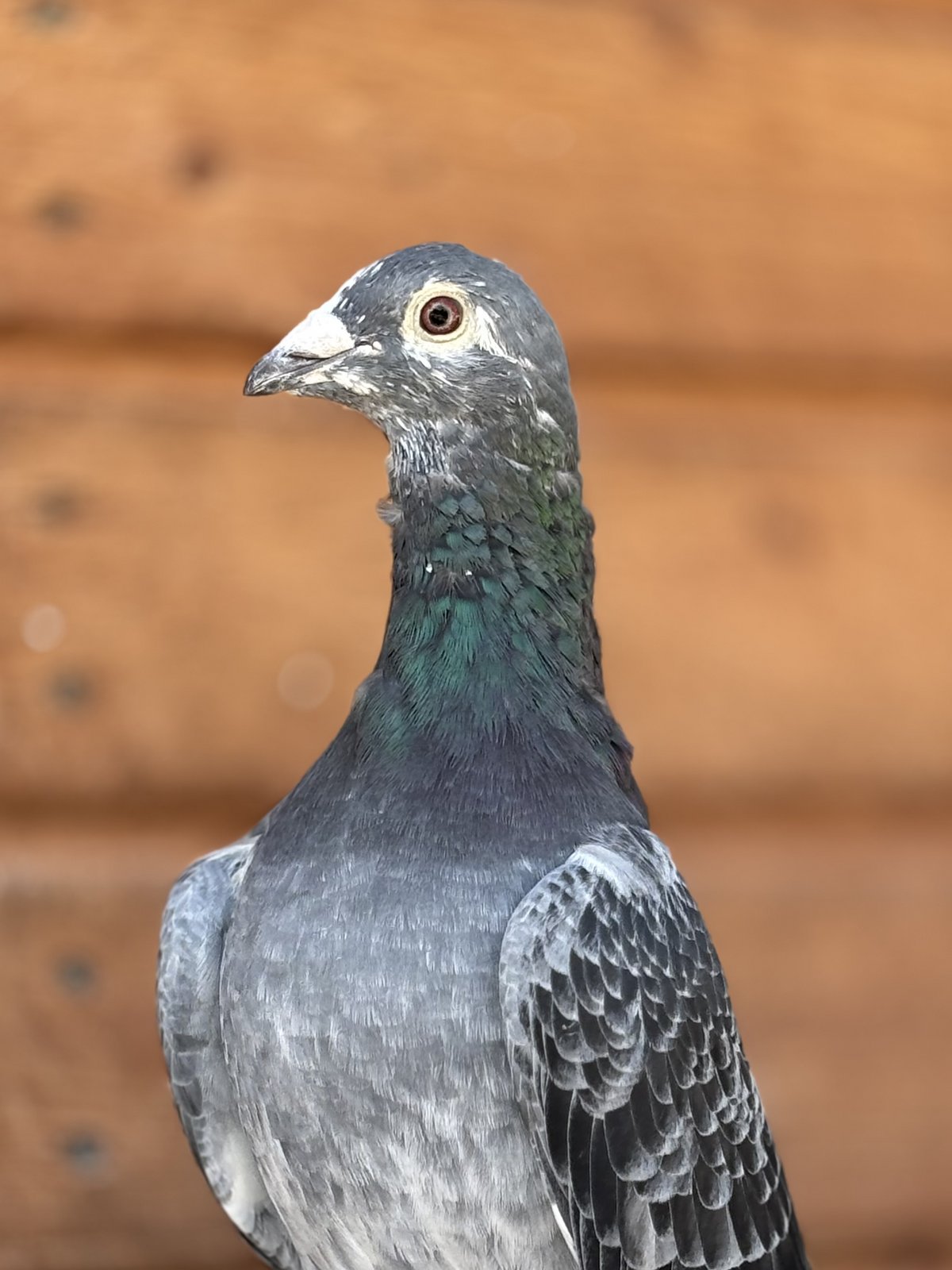
The moult is a completely natural and at the same time crucial process for our carrier pigeons. When the days get shorter, this important phase begins, during which the plumage is almost completely renewed. Healthy pigeons moult more easily and develop strong, elastic feathers – a clear advantage for the upcoming travel season. Feathers consist mainly of keratin protein (about 86%) as well as a small amount of fat and water. An incomplete or faulty moult – for example, due to illness or nutrient deficiencies – directly affects flight performance in the next season. It is not for nothing that it is said in pigeon racing: "During the moulting period, the prices for the next season are made."
Pigeons change feathers throughout the year. During the travel season, every breeder is happy to see a few down feathers in the perch in the morning – a sign of vitality and good form. However, the main moult usually begins in August or September and can last until December. It ends with the growth of the 10th primary feather. Especially illuminated young pigeons often start a little later. During this time, it is important to support the animals as best as possible.
Before the moult begins, possible pathogens such as trichomonads, coccidia, or worm infestations should be diagnostically excluded and – if necessary – specifically treated, but without preventive medication. Medications during the moult should only be used in emergencies, as they can affect feather quality.
1. Rest
The moult requires enormous energy. Therefore, pigeons should get enough rest after the travel season. I let my racing pigeons breed once more after the season – a maximum of one young bird – to restore the natural rhythm. Then I separate the sexes and allow free flight without compulsion. If desired, the pigeons can also be kept exclusively in the loft or aviary – this way they are protected from birds of prey and can focus all their energy on moulting.
2. The right supply
For a healthy, dense plumage, pigeons primarily need sulfur-containing amino acids such as methionine and cystine, which are contained in our mixtures Mauser Fit and Mauser Vital. Conventional grains contain these only in small amounts; targeted moulting or breeding mixtures with a high soy or hemp content are therefore essential. Soy is particularly valuable here. In addition, the energy content of the feed should be higher during this time – hemp and other oil-containing seeds are ideal. Mixtures such as Zucht + Mauser Sonderklasse (10% hemp) or Zucht + Mauser Premium have proven themselves. Oil-containing seeds such as flaxseed, hemp, or mung beans provide valuable energy and omega-3 fatty acids, have an anti-inflammatory effect, and strengthen the immune system. Vital and full-power pearls additionally support the immune system. Towards the end of the molt, rapid overweight should be avoided. Supplements like Fitness help maintain a healthy weight. Fresh grit and a Vital-Power Stein should be available daily.
3. Bathing
I offer my pigeons a bath at least twice a week – preferably more often. With a little bath salt, like that from Röhnfried, mites and feather lice are reduced and the plumage becomes supple. Old skin particles and loose down are removed, and the feathers become elastic and shiny.
Conclusion
The moult is not only a natural process but a key phase for success in the coming season. With rest, the right nutrition, and good care, we breeders now lay the foundation for healthy, high-performing pigeons.