Molting period: Now set the course for the next season.

With the last old bird flight, it suddenly becomes quieter on many lofts. The transport baskets slowly disappear, the alarm clock no longer rings quite so early in the morning, and the racing pigeons can first recover from the exertions of the past weeks.

While the young pigeons are still in the middle of the racing season, one of the most important phases of the year begins for the racing pigeons and many breeding pigeons: the molt. In the coming weeks, the entire plumage will be renewed step by step. This natural process largely determines the quality with which the pigeons enter the winter and finally the new breeding and racing season.

Many breeders pair their racing pigeons once more after the season. Some raise one or two more young birds, others let their pigeons incubate for a while. Only then does the actual feather change begin. During this time, several thousand feathers are renewed. This makes the molt one of the greatest metabolic achievements that a pigeon has to accomplish over the course of a year.

Image Alt

The Feather Change Demands Peak Performance

Feathers are primarily made of keratin and contain a particularly high proportion of the sulfur-containing amino acids methionine and cystine. These building blocks are now needed in especially large quantities. At the same time, the demand for high-quality protein, vitamins, minerals, and trace elements increases significantly.

Therefore, feeding during molting should not be underestimated. It is now decided whether the pigeons can develop a dense, closed, and resilient plumage. At the same time, the racing pigeons must recover from a long season and build up new energy reserves.

Practical Tip: Now is not the right time to save. High-quality care during molting almost always pays off the following spring.


The Right Feeding for Molting

Specially tailored breeding and molting mixtures are particularly suitable for this season. Those who want to optimally care for their pigeons after the racing season are well-equipped with Mifuma Zucht + Mauser Sonderklasse. The mixture contains, among other things, hydrothermally processed peas, which are particularly easy to digest and provide high-quality protein. They are supplemented by insect protein, our Vollkraft Pearl, and a high proportion of hemp seed. This combination optimally supports the organism during molting and is also excellent for breeders who want to raise some young animals after the racing season.

Those who prefer a slightly lighter mixture will also find a very good alternative with Zucht + Mauser Premium.

For targeted support during molting, Mauser Vital, Mauser Fit, and ZJM Vital can also be sensibly supplemented.

Image Alt

Rest is now just as important as good food

After the strains of the travel season, racing pigeons primarily need recovery. They no longer have to perform at their best. Less training and sufficient rest help the body to fully regenerate.

Breeding pigeons also benefit from optimal care now. After a strenuous breeding season, they too need to gather new strength and simultaneously build a completely new set of feathers.

Fresh water as well as grit and minerals should, of course, be available at all times.

Practical tip Even though the travel season is over, it is worthwhile to regularly handle the pigeons. This way, changes in weight or abnormalities can be detected early.


Bathing supports feather molting

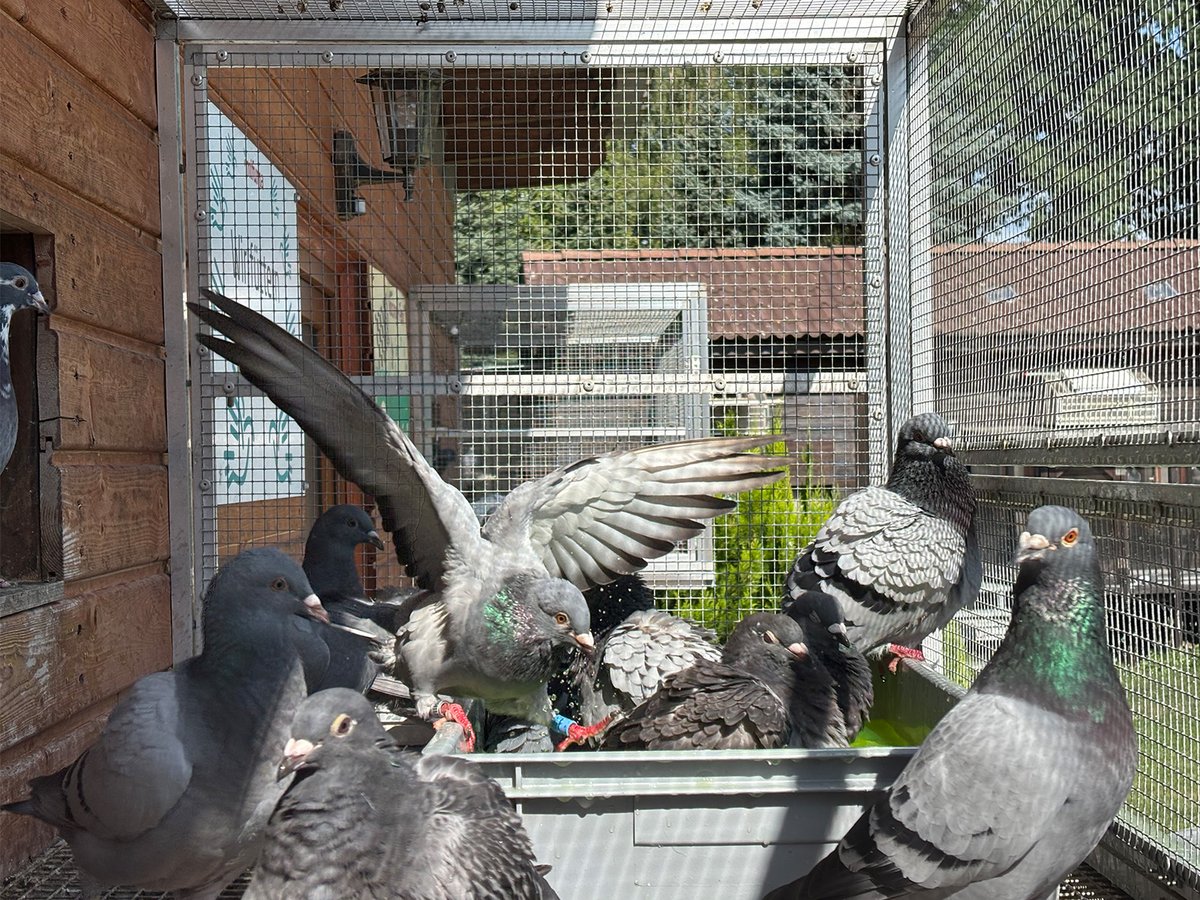
One point that is often underestimated is bathing. I offer my pigeons a bathing opportunity at least once a week during molting.

The water removes feather dust, loose down, and dead skin flakes. At the same time, the plumage is cared for and the new feathers can unfold better. Many pigeons particularly enjoy bathing intensively during molting.

Practical tip A regular bath supports feather care and ensures that new feathers can develop optimally. If desired, a suitable bath salt can be added to the bathwater.

Image Alt

Now it's worth taking a close look at each pigeon

The molt is also the ideal time to carefully check the entire stock. Regularly take a close look at your pigeons and watch out for feather lice, feather mites, or other external parasites. They can additionally burden the pigeons and impair the quality of the new plumage. If necessary, treatment should be carried out early.

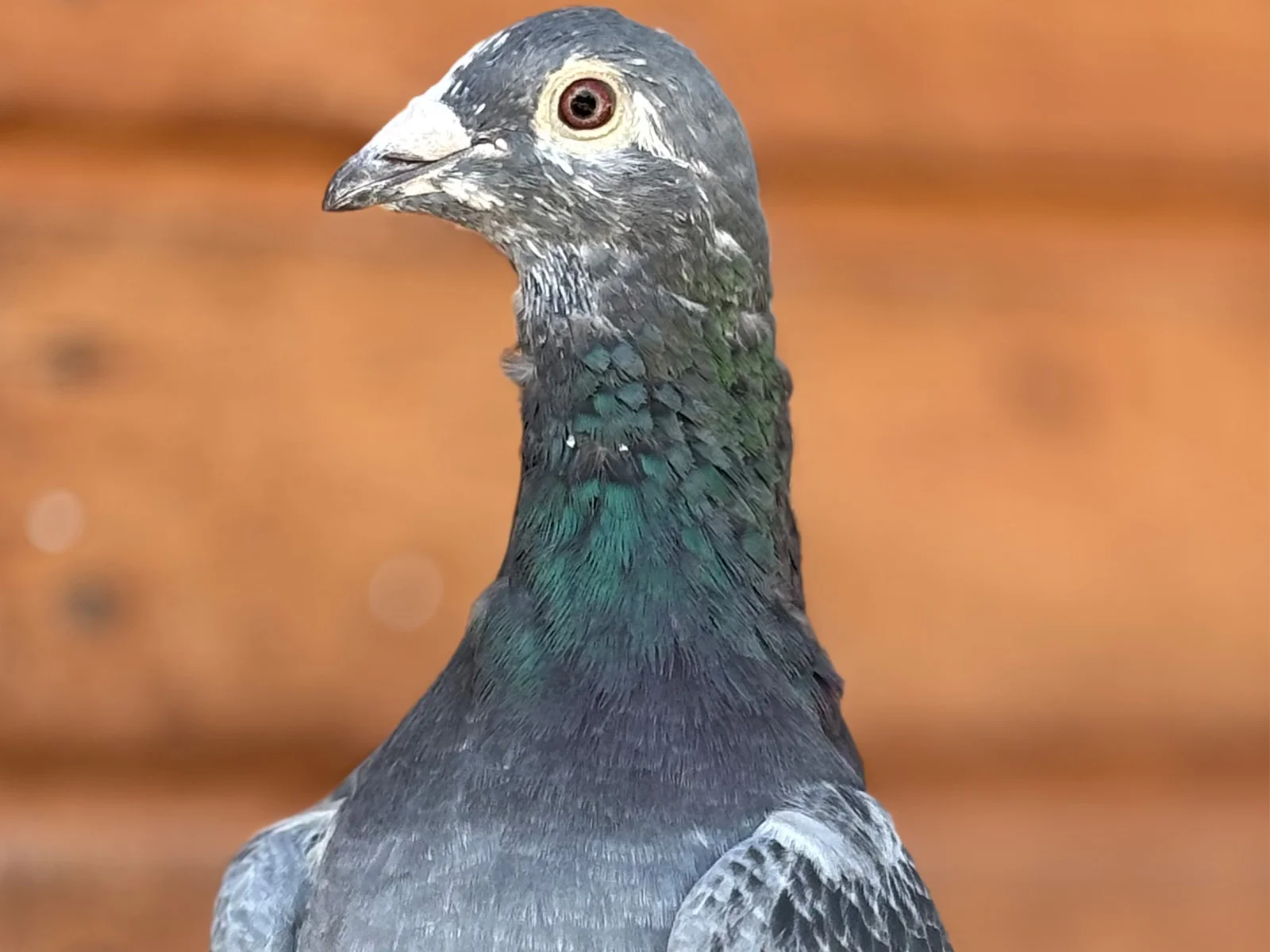
Many breeders mainly observe the flight feathers during the molt. However, the body plumage is at least as important. If it develops fine, closed, and silky, this is usually a good sign that the supply is right and the molt is proceeding optimally.

Practical tip Don't just pay attention to which flight feather is currently growing. The overall appearance of the pigeon often reveals much more. Dense, smooth, and silky body plumage is usually the best sign of a successful molt.


Sensible support during the molt

In addition to a balanced diet, supplementary products can usefully accompany the feather change. Preparations with sulfur-containing amino acids, vitamins, and trace elements, such as Taubengold from Röhnfried, have proven effective. They can usefully supplement the increased nutrient requirements during the molt and support the development of a healthy plumage.

Practical tip The molt does not proceed at the same speed for every pigeon. The decisive factor is not the speed, but that the pigeons remain healthy and develop a high-quality, closed plumage.


My conclusion

The molt cannot be accelerated. It takes time, and we should give our pigeons exactly this time.

With sufficient rest, high-quality feeding, regular bathing opportunities, and good stock control, we create the best conditions for healthy and efficient plumage.

While our young pigeons are still flying for prizes in the coming weeks, the racing and breeding pigeons are already preparing for the next year. Those who work carefully now and optimally care for their pigeons lay an important foundation for a successful breeding and racing season.

I wish you and your pigeons a calm, trouble-free, and successful molt period.

Robert MaaßProduct Manager Pigeon